




 EN
EN  ES
ES  PT
PT  FR
FR  RU
RU 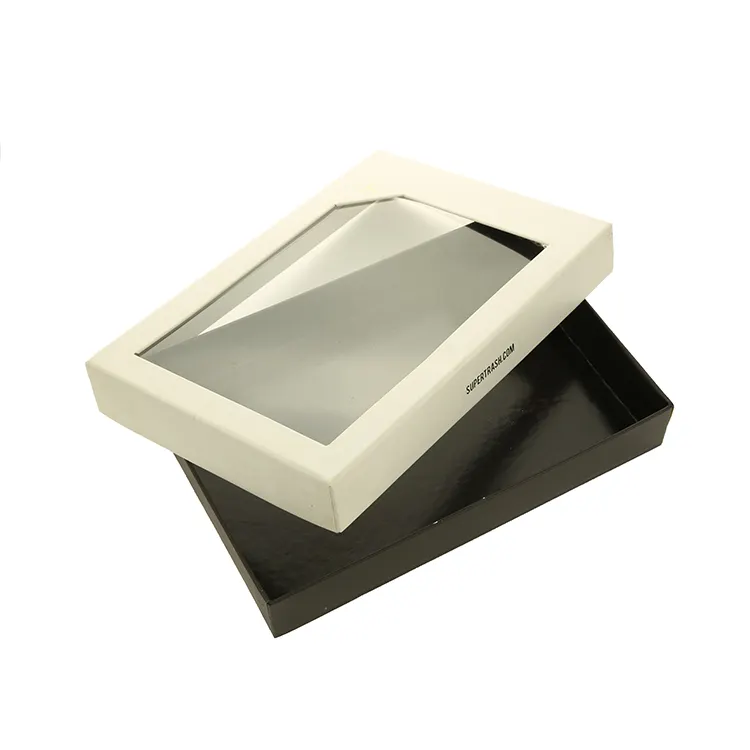
Abstract
The selection and procurement of product packaging represent a significant intersection of material science, brand strategy, and consumer psychology. This article examines the multifaceted process of ordering custom kraft boxes with a window feature, particularly when coupled with the economic incentive of free shipping. It explores the material properties of kraft paper, analyzing its ecological and functional advantages in a competitive market. The psychological impact of a transparent window on consumer trust and perceived product value is also investigated. Furthermore, the guide deconstructs the procedural steps involved, from initial design conceptualization and supplier vetting to the nuances of international logistics and quality assurance. The analysis considers the economic calculus for businesses, weighing the upfront costs of customization against the long-term benefits of enhanced brand perception and customer loyalty. The objective is to provide a comprehensive, structured framework for businesses, especially within the USA and European markets, to navigate the complexities of sourcing packaging solutions that are both aesthetically compelling and commercially viable.
Key Takeaways
- Define your product’s specific dimensions and protection needs before starting.
- Vet suppliers by checking their experience, material quality, and reviews.
- Utilize the window feature to showcase product quality and build trust.
- Leverage custom kraft boxes with window with free shipping to manage costs.
- Request physical samples to verify quality before placing a bulk order.
- Understand the full terms of “free shipping” for international deliveries.
- Choose eco-friendly kraft paper to appeal to environmentally conscious consumers.
Table of Contents
- A Foundational Inquiry: Why the Box Matters More Than Ever
- Step 1: The Architecture of Your Packaging – Design and Conceptualization
- Step 2: Forging a Partnership – Sourcing and Vetting Your Packaging Supplier
- Step 3: From Vision to Blueprint – The Intricacies of the Customization Process
- Step 4: The Alchemy of Creation – Navigating Production and Quality Assurance
- Step 5: The Final Mile – Understanding Logistics and Receiving Your Order
- Frequently Asked Questions
- A Concluding Thought on Packaging’s Role
- References
A Foundational Inquiry: Why the Box Matters More Than Ever
Before we embark on the practical steps of acquiring the right packaging, it is worthwhile to pause and reflect on the very nature of the container itself. What is a box in the context of modern commerce? Is it merely a vessel for transport, a simple shield against the rigors of the supply chain? Or has it evolved into something more profound? The contention here is that packaging, especially a thoughtfully designed kraft box with a window, transcends its utilitarian origins. It becomes the first handshake with the customer, a physical manifestation of a brand’s ethos, and a silent narrator of the product’s story. The unboxing experience, a term that has gained significant traction, is not a frivolous trend but a deeply human ritual. It is a moment of anticipation, discovery, and connection. A well-crafted package can transform a simple transaction into a memorable event, laying the groundwork for customer loyalty in a way that a plain, uninspired container never could. The decision to invest in custom packaging is, therefore, not an operational expense but a strategic investment in the narrative of your brand.
Step 1: The Architecture of Your Packaging – Design and Conceptualization
The journey toward the perfect packaging begins not with a factory, but with an idea. This initial phase is perhaps the most intellectually demanding, as it requires a synthesis of practical requirements and creative vision. You are not just designing a box; you are engineering a customer experience. This requires a deep understanding of your product, your customer, and your brand’s core identity.
Understanding the Soul of Kraft Paper
The choice of kraft paper is a deliberate one, signaling a commitment to certain values. The term “kraft,” derived from the German word for “strong,” refers to the kraft process of pulping wood into wood pulp. This method retains most of the wood’s long cellulose fibers, resulting in a paper that is exceptionally durable and tear-resistant (Soroka, 2009). But its appeal extends beyond mere strength. Its typically earthy, brown appearance communicates authenticity, rusticity, and an ecological consciousness. In a world saturated with glossy, synthetic materials, the understated and natural texture of kraft paper offers a refreshing counterpoint. It suggests that the value lies within the product, not in an ostentatious exterior. When you choose kraft, you are making a statement about your brand’s priorities.
It is a common misconception, however, that all kraft paper is the same. There are several variations, each with unique properties that make them suitable for different applications. A careful consideration of these options is the first critical decision in your design process.
| Kraft Paper Type | Primary Characteristics | Best Use Cases | Printability Considerations |
|---|---|---|---|
| Natural Brown Kraft | Classic earthy look, high durability, 100% recycled options available. | Food items, organic products, artisan goods, rustic-themed gifts. | Excellent for bold, dark inks (black, dark green). Lighter colors may appear muted. |
| White/Bleached Kraft | Clean, premium appearance, smooth surface, strong virgin pulp. | Cosmetics, electronics, luxury goods, medical products. | Provides a “blank canvas” for full-color, vibrant CMYK printing. |
| Black Kraft | Sophisticated, dramatic, and luxurious feel. | High-end jewelry, premium accessories, gourmet chocolates, tech gadgets. | Best suited for metallic foils (gold, silver), embossing, or spot UV finishes. |
| Coated Unbleached Kraft (CUK) | Brown kraft base with a thin layer of kaolin clay coating for a smoother surface. | Frozen foods, beverage carriers, packaging requiring moisture resistance. | Offers a good balance between a natural look and enhanced print quality. |
The Philosophy of the Window
The incorporation of a window is a gesture of transparency and confidence. It says to the customer, “We have nothing to hide; see for yourself the quality of what we offer.” This feature is a powerful tool in the retail environment, where products compete for attention on crowded shelves. A window can interrupt the pattern of opaque boxes, drawing the eye and allowing the product itself to become the focal point of the packaging. It bridges the gap between the packaged and the tangible, offering a tantalizing preview that can significantly influence the purchasing decision (Rundh, 2013).
The design of the window is not a trivial matter. Its shape, size, and placement should be intentional. A small, circular window might create a sense of peeking into a secret world, ideal for a luxury truffle. A large, rectangular window might be perfect for showcasing the vibrant colors of a bath bomb set. The shape can even echo your brand’s logo or a motif associated with the product. The material used for the window also warrants careful thought, especially as consumer awareness of plastic waste grows.
| Window Film Material | Clarity | Durability | Environmental Impact | Ideal For |
|---|---|---|---|---|
| Polyethylene Terephthalate (PET) | Excellent clarity, high gloss. | Strong, scratch-resistant. | Widely recyclable (Recycling Code 1), but made from fossil fuels. | General retail, food products (FDA-approved grades). |
| Polyvinyl Chloride (PVC) | Good clarity, can be rigid or flexible. | Durable, resistant to grease and chemicals. | Less commonly recycled, environmental concerns over chlorine content. | Non-food items, industrial parts. |
| Polylactic Acid (PLA) | Good clarity, slightly less than PET. | More brittle than PET, can crack. | Commercially compostable (not recyclable), made from plant starches. | Brands emphasizing a strong eco-friendly message. |
Structural Integrity and Product Protection
Beyond aesthetics, the primary function of the box is to protect its contents. Your design must account for the product’s specific vulnerabilities. Is it fragile? Heavy? Oddly shaped? The thickness of the kraft paper, measured in points (pt) or grams per square meter (GSM), must be sufficient to provide adequate support. For heavier items or for packaging that will endure a demanding shipping process, you might consider corrugated kraft paper, which incorporates a fluted layer for added cushioning and rigidity.
Custom inserts are another vital component of structural design. An insert made from folded kraft paper or a molded pulp tray can cradle the product, preventing it from shifting during transit. This not only protects the product but also enhances the unboxing experience by presenting the item in an organized and deliberate manner. When a customer opens a box and finds the product nestled securely in a custom-fit insert, it communicates a level of care and attention to detail that reflects positively on the brand. This is a subtle but powerful element in crafting luxury paper boxes for discerning consumers.
Step 2: Forging a Partnership – Sourcing and Vetting Your Packaging Supplier
Once you have a clear vision for your packaging, the next step is to find a manufacturing partner capable of bringing that vision to life. This is a decision of immense consequence, as the quality of your supplier will directly determine the quality of your final product. The global marketplace offers a vast array of options, but navigating them requires a discerning eye and a structured approach. You are not merely placing an order; you are entering a relationship.
Identifying Potential Manufacturers
The search for a supplier often begins online. Platforms like Alibaba and Thomasnet can be valuable resources, but a direct search for specialists is often more fruitful. Look for companies that explicitly highlight their expertise in custom kraft packaging. Pay close attention to their product galleries. Do they showcase boxes similar in style and quality to what you envision? Do they work with clients in your industry? A supplier with experience in packaging cosmetics, for example, will have a better understanding of the material and finish requirements for that market than a generalist box maker.
It is here that companies like experienced rigid box manufacturers distinguish themselves. A supplier with decades of experience, such as one founded in the early 2000s, possesses institutional knowledge that newer companies may lack. They have likely navigated a wide range of design challenges, material innovations, and logistical hurdles. This experience translates into a smoother process for you, with fewer unforeseen complications. Look for an “About Us” page that details their history and manufacturing capabilities.
The Vetting Gauntlet: Questions to Ask
After compiling a shortlist of potential suppliers, the vetting process begins. This should be a rigorous inquiry into their capabilities, processes, and business practices. Do not be hesitant to ask detailed questions. A reputable supplier will welcome your diligence and provide clear, comprehensive answers.
Here are some critical questions to pose:
- Material Sourcing and Certification: Where do you source your kraft paper? Is it FSC (Forest Stewardship Council) certified? Can you provide documentation of its recycled content? This is particularly important for brands targeting the USA and European markets, where sustainability is a key consumer concern.
- Minimum Order Quantity (MOQ): What is your MOQ for custom kraft boxes with a window? Some suppliers have very high MOQs that may be prohibitive for small businesses. Others may be more flexible. Understanding this upfront will save you time.
- Printing and Finishing Capabilities: What printing technologies do you use (e.g., offset, digital)? Can you accommodate PMS color matching? What finishing options do you offer (e.g., foil stamping, embossing, spot UV, lamination)? The supplier’s technical capabilities must align with your design requirements.
- Lead Times: What is your standard production lead time after a design is approved? What is the estimated shipping time to my location (in the USA or Europe)? Unrealistic timelines are a common source of frustration, so clarity is essential.
- The “Free Shipping” Clause: The offer of “Custom Kraft Boxes with Window with Free Shipping” is an attractive one, but it requires careful scrutiny. Ask for the specific terms. Does “free shipping” cover all costs to your door, including customs duties, tariffs, and brokerage fees? Or does it only cover freight to the port of entry (a common practice known as FOB shipping)? Misunderstanding these terms can lead to unexpected and substantial costs later on. A transparent supplier will explain exactly what is included.
The Power of the Sample
Reading about a supplier’s quality and holding a physical sample in your hands are two vastly different experiences. Before committing to a large production run, always request samples. There are typically two types:
- Generic Samples: These are examples of boxes the supplier has produced for other clients. They allow you to assess the general quality of their materials, construction, and printing.
- Custom Prototypes: This is a sample of your exact box, made to your specifications. There is usually a cost associated with a custom prototype, but it is an invaluable investment. It allows you to test the fit of your product, evaluate the final look and feel of the design, and make any necessary adjustments before thousands of units are produced. A prototype can save you from a costly mistake.
Step 3: From Vision to Blueprint – The Intricacies of the Customization Process
With a trusted supplier selected, you move into the collaborative phase of turning your design concept into a production-ready file. This stage is a dialogue between your creative intent and the technical realities of manufacturing. It requires clear communication, meticulous attention to detail, and an understanding of the specialized language of printing and packaging.
Mastering the Dieline
The cornerstone of this process is the dieline. You can think of the dieline as the architectural blueprint for your box. It is a flat, two-dimensional template that shows all the cut lines, crease lines, and glue tabs for your specific box design. Your supplier will typically provide you with a dieline file (often in Adobe Illustrator or PDF format) based on the dimensions you have provided.
Your graphic designer’s task is to place your artwork—logos, text, patterns, and other visual elements—onto this template. It is absolutely vital that all artwork remains within the designated “safe zones” and that any design elements intended to bleed off the edge extend to the “bleed lines.” Misinterpreting the dieline is one of the most common and costly errors in the custom packaging process. A small mistake at this stage can result in a final product where text is cut off or white edges appear where there should be solid color. Work closely with your designer and your supplier’s technical team to ensure the artwork is placed correctly.
The Language of Color: CMYK vs. PMS
Color is one of the most emotionally resonant elements of your packaging design, and achieving the correct color requires a technical understanding of printing processes. There are two primary color models used in printing:
- CMYK (Cyan, Magenta, Yellow, Key/Black): This is also known as four-color process printing. It creates a full spectrum of colors by overlapping dots of these four base inks. CMYK is ideal for printing photographs and complex, multi-colored graphics. However, because the colors are mixed on the press, there can be slight variations from one print run to the next.
- PMS (Pantone Matching System): This is a spot color system. Each Pantone color is a specific, pre-mixed ink formula. Using a PMS color ensures absolute color consistency. If your brand has a specific color (like Tiffany Blue or Coca-Cola Red), using the corresponding PMS ink is the only way to guarantee it will be reproduced perfectly every time. PMS printing is generally more expensive than CMYK, especially if your design uses multiple spot colors.
Your choice between CMYK and PMS will depend on your design’s complexity and your brand’s need for color consistency. A good supplier can guide you on the most cost-effective approach for your specific artwork.
The Proofing Ritual
Before the presses run, you must approve a final proof. This is your last chance to catch any errors. The proofing process typically occurs in two stages:
- Digital Proof: You will receive a digital file (usually a PDF) showing your artwork on the dieline. You must scrutinize this file with extreme care. Check for spelling errors, incorrect color codes, misplaced elements, and low-resolution images. It can be helpful to have multiple people review the digital proof, as a fresh set of eyes may catch something you missed.
- Physical Proof (Hard Copy Proof): While a digital proof is good for checking layout, it cannot accurately represent color or the feel of the material. A physical proof is a printed sample of your box, often produced on a smaller, high-fidelity press that simulates the final production output. This allows you to see how the colors will actually appear on the kraft paper and to approve the overall quality before committing to the full order. As with a prototype, there may be a fee, but its value in preventing disappointment cannot be overstated.
Step 4: The Alchemy of Creation – Navigating Production and Quality Assurance
Once you have signed off on the final proof, your order moves into production. This is where your digital blueprint is transformed into a tangible object through a series of complex industrial processes. While this phase is largely in the hands of your supplier, understanding the key steps can help you appreciate the craftsmanship involved and engage in more meaningful conversations about quality control.
The Manufacturing Symphony
The creation of your custom kraft box with a window involves several distinct stages:
- Printing: Large sheets of your chosen kraft paper are fed through industrial-scale offset or digital printing presses. The inks are applied according to your approved artwork files.
- Finishing: After printing, the sheets may undergo additional finishing processes. This could involve applying a laminate for protection, stamping a metallic foil logo, or creating a raised, embossed effect.
- Die-Cutting: The printed and finished sheets are then moved to a die-cutting machine. A custom-made die, which is essentially a sharp, steel rule bent into the shape of your box’s dieline, is used to cut out the box shape and the window opening. This same process also creates the score lines for folding.
- Window Patching: A specialized machine applies a thin layer of adhesive around the inside of the die-cut window opening and then precisely attaches the window film (PET, PLA, etc.).
- Folding and Gluing: The flat, die-cut “blanks” are fed into a folder-gluer machine, which automatically folds the box along the score lines and applies adhesive to the glue tabs, forming the final box structure. For rigid box styles, this process is often more manual, involving wrapping the printed paper around a thick chipboard core.
- Quality Control: Throughout this process, quality control technicians should be inspecting the output. They check for color accuracy, print registration, proper cutting and folding, and secure adhesion of the window and glue tabs.
The Importance of a Quality Assurance Framework
A reputable supplier will have a robust Quality Assurance (QA) framework in place. They should be able to articulate their QA processes to you. This might include:
- Color Spectrophotometry: Using devices to measure color data and ensure it matches the approved PMS or CMYK values.
- Rub Tests: Testing the printed ink to ensure it does not scuff or rub off easily during transit.
- Dimensional Checks: Regularly measuring the finished boxes to ensure they conform to the specified dimensions.
- Batch Sampling: Pulling a random sample of boxes from each production run for a thorough inspection.
You can and should ask your supplier about their QA procedures. Knowing that they have a systematic approach to ensuring quality provides peace of mind and reduces the likelihood of receiving a disappointing order. For businesses in the USA and Europe, which have high consumer expectations, this assurance of quality is not a luxury; it is a necessity.
Step 5: The Final Mile – Understanding Logistics and Receiving Your Order
The final stage of the process is the physical journey of your boxes from the factory to your warehouse. This is where the promise of “Free Shipping” is put to the test. A smooth and predictable logistics experience is the capstone of a successful packaging procurement project.
Deconstructing “Free Shipping”
As mentioned earlier, the term “free shipping” can be ambiguous in international trade. It is imperative to have a written agreement with your supplier that clarifies the shipping terms, using standardized Incoterms (International Commercial Terms) if possible.
- DDP (Delivered Duty Paid): This is the most comprehensive term for the buyer. Under DDP terms, the seller is responsible for all costs and risks associated with delivering the goods to your named destination, including transportation, insurance, and all customs clearance procedures (import duties and taxes). If a supplier offers “Free DDP Shipping,” it is a genuinely all-inclusive price.
- FOB (Free On Board) or CIF (Cost, Insurance, and Freight): These are more common terms. Under these arrangements, the seller’s responsibility ends once the goods are loaded onto the shipping vessel at the port of origin (FOB) or arrive at the port of destination (CIF). The buyer is then responsible for customs clearance, import duties, taxes, and inland transportation from the port to their final destination. If a supplier’s “free shipping” offer is actually FOB or CIF, you will need to budget for these additional costs, which can be significant.
Work with your supplier to get a DDP quote if possible. If not, ask them to provide an estimate of the destination charges you can expect to pay. You may also need to hire a customs broker in your country to handle the import process.
The Journey and Arrival
International ocean freight from Asia to the USA or Europe can take anywhere from 3 to 6 weeks. Air freight is much faster (typically 5-10 days) but is also significantly more expensive and is usually reserved for urgent orders or high-value goods. Your supplier will provide you with tracking information so you can monitor the shipment’s progress.
Once the shipment arrives, it is your responsibility to inspect it promptly. Before signing the delivery receipt from the carrier, do a quick visual inspection of the cartons. If there is obvious damage to the outer cartons, make a note of it on the receipt. This will be important if you need to file a claim for damaged goods.
After accepting the delivery, conduct a more thorough inspection of the boxes themselves. Open a few cartons from different parts of the pallet and check a sample of the boxes against the physical proof you approved. Check for:
- Correct Quantity: Does the number of boxes received match the number you ordered?
- Quality Consistency: Is the quality of the boxes consistent with the approved sample? Check for color, printing, and construction.
- Shipping Damage: Are any of the boxes crushed, bent, or water-damaged?
If you discover any significant issues, document them immediately with photographs and contact your supplier. A good partner will work with you to find a fair resolution, which might involve a partial refund, a credit toward a future order, or a replacement of the damaged units.
Frequently Asked Questions
What is the most eco-friendly type of kraft paper?
The most environmentally friendly option is typically 100% post-consumer recycled natural brown kraft paper. This material uses no virgin pulp and is processed with fewer chemicals than bleached kraft paper. Look for certifications like FSC (Forest Stewardship Council) to ensure the paper comes from responsibly managed sources.
Can I print white ink on brown kraft paper?
Yes, it is possible to print white ink on brown kraft paper, and it can create a striking, rustic effect. However, it often requires a special printing process. A base layer of opaque white ink is typically printed first, and then other colors can be printed on top of the white. This is a more complex process than standard printing, so be sure to discuss it with your supplier as it may affect the cost.
How durable is a window on a kraft box?
The durability of the window depends on the thickness and type of film used (e.g., PET, PLA) and how securely it is attached to the box. For most retail applications, a standard PET window is very durable and resistant to punctures and scratches. If you are packaging boxes wholesale heavy or sharp items, you can request a thicker gauge of window film for added strength.
Will the offer of “free shipping” slow down my delivery time?
Not necessarily, but it is a good question to ask your supplier. “Free shipping” offers usually utilize standard ocean freight, which is the most economical but also the slowest method. If you are on a tight deadline, you may need to pay for expedited shipping or air freight. Always confirm the estimated transit time for the free shipping option before placing your order.
How can I make my kraft box design look more premium?
There are several ways to elevate the design of a kraft box. Using a black or white kraft paper instead of the standard brown can create a more luxurious feel. Adding a finishing touch like gold or silver foil stamping for your logo, a subtle debossed pattern, or a spot UV coating to highlight certain design elements can add a tactile and visual sophistication that makes the packaging feel much more premium.
A Concluding Thought on Packaging’s Role
The process of creating custom kraft boxes with a window, facilitated by the practical benefit of free shipping, is far more than a logistical exercise. It is an act of brand curation. Every choice—from the texture of the paper to the shape of the window to the precision of the color—is a message to your customer. It communicates your values, your attention to detail, and your confidence in the product you offer. In a marketplace where consumers are inundated with choices, this silent dialogue can be the deciding factor. The box is not the end of the product development process; it is the beginning of the customer relationship.
References
PakFactory. (n.d.). Luxurious custom rigid boxes. PakFactory. Retrieved from
Rundh, B. (2013). Linking packaging to marketing: how packaging is influencing the marketing strategy. British Food Journal, 115(11), 1547-1563.
Soroka, W. (2009). Fundamentals of packaging technology. Institute of Packaging Professionals.
TOPACK Paper Boxes. (n.d.-a). Gift, jewelry, cosmetic & rigid boxes. Retrieved from https://www.chinatopack.com/products/
TOPACK Paper Boxes. (n.d.-b). TOPACK paper boxes: Leading rigid box manufacturer in China. Retrieved from https://www.chinatopack.com/
Top&Top Printing Packing Co. (n.d.-a). Cosmetic box. Retrieved from
Top&Top Printing Packing Co. (n.d.-b). Rigid box. Retrieved from
Top&Top Printing Packing Co. (n.d.-c). Rigid gift box. Retrieved from
BoxesGen. (n.d.). Kraft gift boxes. Retrieved from