




 EN
EN  ES
ES  PT
PT  FR
FR  RU
RU 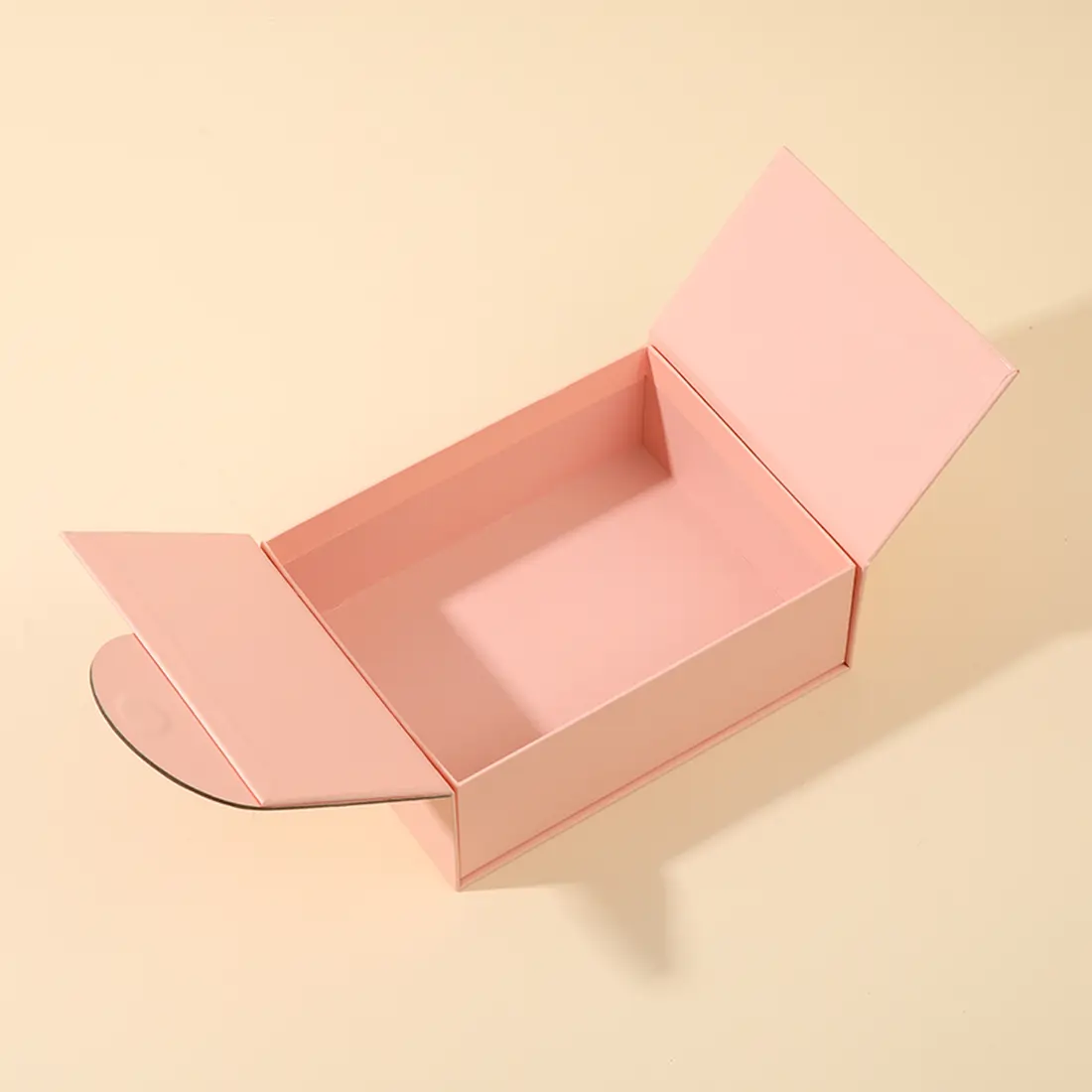
Abstract
The distinction between a corrugated box and a kraft box is a frequent point of confusion within the packaging industry, yet it represents a fundamental divergence in material science and functional application. This analysis examines the core differences, positing that the query is not a comparison of two equivalent items, but rather a distinction between a material (kraft paper) and a structure (corrugated board) which is often made from that material. A corrugated box is an engineered structure comprising one or more fluted layers sandwiched between flat linerboards, designed primarily for shipping and impact protection. A kraft box, in its common parlance, refers to a container made from a single layer of kraft paperboard, valued for its tensile strength, printability, and aesthetic qualities, often used in retail and gift packaging. This exploration will deconstruct the material composition, manufacturing processes, functional applications, economic implications, and sustainability profiles of each, clarifying their distinct roles in the supply chain and brand presentation.
Key Takeaways
- A corrugated box is a multi-layer structure; a kraft box is typically a single-layer material.
- Corrugated boxes excel at shipping protection, cushioning, and stacking strength.
- Kraft boxes offer a superior surface for high-quality printing and branding.
- Understand what is the difference between a corrugated box and a kraft box to optimize costs.
- Corrugated material is engineered for transit; kraft material is designed for presentation.
- Both options offer strong sustainability profiles when sourced responsibly.
- Choosing correctly depends on product fragility, brand goals, and budget.
Table of Contents
- Deconstructing the Materials: A Tale of Structure and Substance
- The Functional Divide: Protection Versus Presentation
- The Economic Calculus: Analyzing Cost and Value
- The Aesthetic and Branding Dimension
- The Sustainability Imperative: An Ecological Comparison
- Frequently Asked Questions
- A Final Reflection on Form and Function
- References
Deconstructing the Materials: A Tale of Structure and Substance
To begin our inquiry is to approach a common yet profound misunderstanding. When one asks about the difference between a corrugated box and a kraft box, one is not, strictly speaking, comparing two parallel entities. It is more akin to asking the difference between a brick and a brick wall. One is the constituent component, the other is the assembled structure. Kraft paper is a specific type of paper defined by its manufacturing process and resulting strength. A corrugated box is a composite structure, an engineered board, which very often uses kraft paper as one of its primary components. Clarifying this foundational point is the first step toward a true understanding of their respective roles in the world of packaging.
The Anatomy of a Corrugated Box: Engineering for Resilience
A corrugated box is a triumph of structural engineering, translating simple materials into a form of remarkable strength and resilience. Its genius lies not in the mass of the material itself, but in its geometric arrangement. The structure, properly known as corrugated fiberboard, consists of two main elements: the liner and the medium.
The liner is the flat paper that forms the outer and inner faces of the board. The medium, or fluting, is the wavy, arched paper that is sandwiched between the liners. This combination of a fluted layer glued between two flat liners creates a structure that is lightweight yet surprisingly rigid and capable of absorbing significant shock. The arches formed by the flutes are the key; much like the arches in a Roman aqueduct, they can support a great deal of weight, giving corrugated boxes their exceptional stacking strength. The air pockets trapped within the flutes also provide excellent insulation and cushioning against impacts, vibrations, and temperature changes during transit.
This basic structure can be enhanced for greater strength. A standard “single wall” board has one layer of fluting between two liners. A “double wall” board incorporates three liners and two fluted layers, and a “triple wall” board features four liners and three fluted layers, creating an incredibly robust material capable of replacing wooden crates for shipping heavy industrial goods.
The character of the corrugated board is further defined by the size of its flutes. Different flute profiles offer different properties, and understanding them is essential for selecting the right packaging.
| Flute Profile | Approximate Thickness (mm) | Flutes per Linear Foot | Characteristics & Common Uses |
|---|---|---|---|
| A-Flute | 4.8 | 36 | The original flute profile. Excellent cushioning and stacking strength. Used for wrapping fragile items and for structural support. |
| C-Flute | 4.0 | 41 | The most common type, offering a good all-around balance of cushioning, stacking strength, and printing surface. Used for standard shipping boxes. |
| B-Flute | 3.2 | 49 | Good crush resistance and a flatter surface for printing. Often used for retail displays, die-cut boxes, and inner packaging. |
| E-Flute | 1.6 | 90 | Very thin profile with excellent crush resistance and a superior printing surface. Used for retail packaging, pizza boxes, and mailers. |
| F-Flute | 0.8 | 128 | Extremely thin and lightweight, often used for fast-food containers and shoe boxes, providing rigidity with minimal bulk. |
Choosing a flute type is a deliberate calculation. For shipping a heavy motor, a double-wall board with C and A flutes might be chosen. For a direct-to-consumer subscription box where the unboxing experience matters, an E-flute box might be selected for its finer printing surface. The corrugated box is not a monolithic product; it is a system of variables engineered for a specific protective purpose.
The Essence of Kraft Paper: Purity and Process
If the corrugated box is an engineering marvel, then kraft paper is a wonder of material science. The term “kraft” comes from the German word for “strong,” and it is this strength that defines the material. Kraft paper is produced through the kraft process, a chemical pulping method that converts wood into wood pulp.
The process involves treating wood chips with a hot mixture of water, sodium hydroxide, and sodium sulfide. This “white liquor” breaks down the bonds that link lignin—the natural glue that holds wood fibers together—and cellulose. The key to the kraft process’s success is that it is less destructive to the cellulose fibers than other methods, like mechanical pulping. This results in longer, stronger cellulose fibers, which, when formed into paper, create a material with high tensile strength and resistance to tearing.
Another defining characteristic of the kraft process is its efficiency. It has an effective chemical recovery loop, where the “black liquor”—the spent cooking chemicals and dissolved lignin—can be processed to regenerate up to 95% of the original sodium compounds for reuse. The extracted lignin and other organic materials are often burned as biofuel, which can power the entire paper mill, making it a relatively self-sufficient process (Pirsa, 2024).
The natural, unbleached kraft paper that results from this process has its familiar brown color due to residual lignin. While this lignin is what gives the paper its color, it is the long, interlocked cellulose fibers that give it its strength. This material is the foundation for a vast array of products, from the humble paper grocery bag to heavy-duty sacks for cement.
When we speak of a “kraft box,” we are typically referring to a box made from a single, solid sheet of kraft paperboard. This is distinct from a corrugated box. Think of a shoe box or the box for a board game. These are often made from thick kraft paperboard, sometimes called chipboard or solid bleached sulfate (SBS) if it has been bleached white. These boxes derive their strength from the sheer thickness and integrity of the paperboard itself, not from an engineered fluted structure. They are chosen for their smooth surfaces, excellent printability, and the substantial, premium feel they impart. Manufacturers like TOPACK packaging boxes wholesale, for example, specialize in using high-quality kraft paper to create luxurious and structurally sound packaging for cosmetics, jewelry, and gifts, where the tactile and visual experience is paramount.
A Foundational Misconception: Kraft is a Material, Corrugated is a Structure
We must now return to our central clarification. A corrugated box is almost always a kraft box, in the sense that its liners are typically made from kraft paper. The linerboard that gives a corrugated box its tear resistance and smooth outer surfaces is kraft paper, chosen for its inherent strength. The inner, fluted medium can also be made from kraft paper, or it may be made from a lower-grade, recycled material known as “test” paper.
Therefore, the question “what is the difference between a corrugated box and a kraft box?” is based on a category error. The functional difference that people are truly seeking is between a corrugated box and a folding carton or rigid box that is made from kraft paperboard.
A corrugated box is a shipping container. Its purpose is to survive the rigors of the supply chain. A non-corrugated kraft box is a retail or gift container. Its purpose is to present a product in an appealing and valuable way. You would place a beautiful kraft rigid box containing a luxury watch inside a protective corrugated box to ship it. One is a vessel of presentation; the other is a vessel of transportation. Understanding this distinction between material and structure is the key that unlocks a more nuanced and accurate approach to making packaging decisions.
The Functional Divide: Protection Versus Presentation
Having established the fundamental difference in their physical nature, we can now explore the practical consequences of this divergence. The distinction between a corrugated structure and a solid kraft paperboard box manifests most clearly in their primary functions. One is a guardian, built to withstand the chaotic journey of modern logistics. The other is a presenter, crafted to create a moment of delight and convey brand value at the final destination. Their purposes are not opposed, but sequential, each playing a critical role at a different stage of a product’s life.
Corrugated Boxes: The Unsung Hero of Logistics
The primary virtue of a corrugated box is its capacity for protection. It is designed with the explicit goal of safeguarding its contents from the three main perils of shipping: impact, compression, and vibration.
The ability to withstand impact comes from the cushioning effect of the fluted medium. When a box is dropped or struck, the force is distributed across the arched flutes, which can crush slightly to absorb the energy of the impact before it reaches the product inside. This is analogous to the crumple zone in a car, which is designed to deform in a collision to protect the occupants.
Compression strength, or stacking strength, is equally vital. Pallets of goods can be stacked several meters high in a warehouse or truck. The box at the bottom of the stack must support the entire weight of the boxes above it without collapsing. This is where the engineering of the corrugated board shines. The vertical orientation of the flutes creates columns that can bear a remarkable load. The strength of a box is formally measured in two ways: The Mullen Burst Test, which measures the force required to puncture the wall of the box, and the Edge Crush Test (ECT), which measures the compressive strength of the board’s edge. ECT is now the more common industry standard as it correlates more directly to a box’s final stacking strength. An ECT rating of 32, for example, means the board can withstand 32 pounds per linear inch of pressure on its edge.
Finally, the board’s structure helps to dampen vibrations that occur during transport by road, rail, or air. These constant, low-level oscillations can be damaging to sensitive electronics or cause components to settle and abrade. The slight give and air pockets within the corrugated structure help to isolate the contents from this vibrational energy. For these reasons, the corrugated box is the undisputed champion of e-commerce and global trade, the anonymous workhorse that ensures goods arrive safely.
Kraft Boxes: The Canvas for Brand Experience
A non-corrugated kraft box, such as a folding carton or a rigid setup box, serves a completely different master: the end consumer. Its function is not primarily to survive a journey, but to create an experience. When a customer receives a product, the packaging is their first physical interaction with the brand. This moment, often called the “unboxing experience,” has become a critical part of modern marketing.
Kraft paperboard provides an ideal canvas for this experience. Its surface is typically much smoother and more uniform than the face of a corrugated board. This allows for far superior printing quality, whether through offset, digital, or screen printing processes. Colors are more vibrant, text is sharper, and fine details are rendered with greater precision.
Furthermore, kraft paperboard is exceptionally well-suited to a wide range of finishing techniques that are difficult or impossible to apply to corrugated board. These include:
- Foil Stamping: Applying metallic or colored foils to create logos and accents that catch the light.
- Embossing & Debossing: Creating raised or indented textures that add a tactile dimension.
- Laminations: Applying films to create matte, gloss, or luxurious soft-touch finishes.
- Spot UV: Applying a high-gloss coating to specific areas to create a contrast in textures.
These embellishments transform a simple box into a sophisticated piece of branding. The natural, earthy texture of unbleached kraft paper can be used to convey a brand message of sustainability and authenticity. Conversely, a bleached white kraft board, finished with a high-gloss lamination and a silver foil stamp, can communicate sleek modernity and luxury. This is the domain where packaging moves from a purely utilitarian object to a powerful tool of brand storytelling. The design of these boxes, from their structure to their finish, is an art form in itself, a process expertly detailed in guides on kraft paper window boxes that caters to the high expectations of premium markets.
The Hybrid Scenario: When Roles Overlap
Naturally, the line between protection and presentation is not always absolute. The rise of e-commerce has led to the development of hybrid packaging solutions that attempt to serve both functions. Consider the die-cut mailer box, a common choice for subscription services and online retailers. These are typically made from a thinner corrugated board, such as E-flute or B-flute, which offers a better printing surface than standard C-flute.
These boxes are engineered to be both protective enough for shipping and aesthetically pleasing enough to provide a good unboxing experience. They often feature clever folds and tabs that eliminate the need for packing tape, creating a cleaner look. The interior of the box can be printed with brand messages or patterns, creating a moment of surprise when the box is opened.
Conversely, some heavy-duty kraft paper products can take on a protective role. Multi-wall paper sacks, which consist of several layers of high-strength kraft paper, are used to ship bulk materials like flour, sugar, and cement. While not boxes, these sacks demonstrate the inherent strength of kraft paper when used in multiple layers.
The most common and effective scenario, however, remains the “box-in-a-box” system. A luxury brand will package its product in a beautifully designed and finished rigid kraft box. This primary packaging creates the desired brand experience. This rigid box is then placed into a standard corrugated shipping box, often with some void fill like crinkle paper or an air pillow, for transit. In this system, each box is allowed to perform the function for which it is best suited, optimizing both protection and presentation without compromise.
| Feature | Corrugated Box | Kraft Box (Non-Corrugated) |
|---|---|---|
| Primary Function | Shipping, Protection, Stacking | Presentation, Branding, Retail |
| Structure | Multi-layer: Liners and fluted medium | Single-layer: Solid paperboard |
| Key Strength | Compression (stacking) strength | Tensile (tear) strength |
| Cushioning | Excellent | Poor to fair |
| Print Surface | Fair to good (improves with finer flutes) | Excellent |
| Finishing Options | Limited (primarily printing) | Extensive (foil, emboss, lamination) |
| Common Use | E-commerce shippers, moving boxes | Jewelry boxes, cosmetic packaging, gift boxes |
The Economic Calculus: Analyzing Cost and Value
The decision between packaging types is rarely made on functional or aesthetic grounds alone. For any business, the economic dimension is a critical component of the equation. The cost of packaging is not merely the price per unit; it is a complex calculation that includes raw materials, manufacturing complexity, shipping logistics, and the intangible but powerful return on investment generated through brand perception. Examining what is the difference between a corrugated box and a kraft box through this economic lens reveals a trade-off between upfront cost and long-term value.
Raw Material and Manufacturing Costs
At the most basic level, the cost of a box is tied to the amount and type of material used. Corrugated fiberboard is a composite material, and its production is a multi-step industrial process. It involves manufacturing at least two different types of paper (the liner and the medium), running the medium through a corrugator machine to create the flutes, and then gluing the layers together under heat and pressure. The complexity of this process, involving large machinery and significant energy consumption, contributes to the baseline cost. A double-wall or triple-wall board is inherently more expensive as it involves more material and more manufacturing steps.
A simple folding carton made from a single layer of kraft paperboard, on the other hand, involves a simpler material process. The paperboard is produced, and then it is simply printed, cut, and scored. This generally results in a lower per-unit cost for a box of equivalent size, assuming it is a basic folding carton.
However, this comparison becomes more complicated when we consider rigid set-up boxes. While these are also made from a solid paperboard (often a very thick, unbleached kraft-based chipboard), their manufacturing process can be highly labor-intensive. The chipboard is cut and scored, and then it is manually or semi-automatically wrapped with a decorative paper. The addition of features like magnetic closures, ribbons, or custom foam inserts further increases the cost. Consequently, a luxury rigid box can be significantly more expensive than even a custom-printed corrugated mailer.
In summary, for basic packaging, a simple kraft folding carton is often the cheapest option. A standard corrugated box occupies the middle ground. A highly customized, finished rigid kraft box represents the premium, most expensive option.
Shipping and Storage Considerations
The cost of packaging extends beyond its production. How it is stored and shipped can have a major impact on the overall cost. This is an area where corrugated boxes have a distinct advantage. Most corrugated boxes are designed to be shipped and stored flat. A pallet can hold thousands of flattened boxes, which are then easily assembled at the point of fulfillment. This efficiency minimizes warehousing space and reduces inbound shipping costs.
Many types of kraft boxes, particularly folding cartons, share this benefit. They are also shipped flat and assembled as needed. The economic calculus shifts dramatically, however, with rigid set-up boxes. By their very nature, these boxes are non-collapsible. They are manufactured and shipped in their final, three-dimensional form. This means they occupy significantly more volume in a warehouse and on a truck.
This “shipping air” is a major cost driver. Logistics companies often use a pricing model called dimensional weight (or DIM weight). They calculate a theoretical weight for a package based on its dimensions (Length x Width x Height / DIM Factor). The shipping cost is then based on whichever is greater: the actual weight or the dimensional weight. Because rigid boxes are bulky but often lightweight, their shipping costs can be disproportionately high. This is a critical factor that businesses, especially those in e-commerce, must consider. The premium feel of a rigid box comes with a tangible logistical cost.
Perceived Value and Return on Investment
A purely cost-based analysis is incomplete because it ignores the role of packaging as a marketing tool. The ultimate goal of packaging is not just to contain a product, but to help sell it. This is where the concept of perceived value becomes paramount.
A standard, brown corrugated box communicates utility and protection. It meets a customer’s basic expectation that their product will arrive safely. It does little, however, to enhance the perceived value of the product inside. In contrast, a well-designed kraft box can significantly elevate a product’s appeal. The choice of a natural kraft finish can signal eco-consciousness and authenticity, values that resonate with many modern consumers. A sleek, white rigid box with a magnetic closure can make a product feel more luxurious, exclusive, and gift-worthy.
This increase in perceived value can translate directly into a higher return on investment. A customer may be willing to pay a premium for a product that is beautifully packaged. The unboxing experience can generate positive reviews and social media mentions, which function as organic marketing. A sturdy, reusable rigid box keeps the brand name in the customer’s home long after the initial purchase, acting as a constant brand reminder.
Therefore, the higher upfront cost of a premium kraft box should not be seen as a simple expense, but as a potential investment in the brand. The question for a business is not “Which box is cheaper?” but rather “Which box delivers the best value for my brand and my customer?” For a low-margin, high-volume commodity, a simple corrugated box is the logical choice. For a high-end cosmetic product, the investment in a custom rigid box may be essential for communicating the quality and justifying the price point of the item within.
The Aesthetic and Branding Dimension
Beyond the physics of protection and the mathematics of cost, packaging engages with the human senses. It communicates through color, texture, and form. In a crowded marketplace, the aesthetic of a package is often the first and most powerful tool a brand has to capture attention and tell its story. When we examine what is the difference between a corrugated box and a kraft box from this perspective, we find two distinct visual languages, each with its own vocabulary and expressive potential. One speaks of rugged utility, the other of refined versatility.
The Visual Language of Corrugated
The aesthetic of a standard corrugated box is one of function and industry. The visible lines of the fluting on the edges of the box, the slightly uneven surface of the linerboard, and the natural brown color all speak to its purpose as a tool for transport. It is honest, practical, and unpretentious. For many brands, particularly those focused on value, efficiency, or industrial products, this aesthetic is perfectly aligned with their identity. It signals that the company is focused on the product’s performance, not on superfluous decoration.
Printing on corrugated board has its own set of characteristics. The most common method is flexography, a process that uses flexible printing plates. Flexography is fast and cost-effective for large runs, but it can struggle with very fine details or complex photographic images. The slightly porous and uneven surface of the linerboard can cause ink to spread, resulting in a less crisp image. Furthermore, the pressure of the printing process can sometimes create a subtle “washboard” effect, where the pattern of the flutes below becomes faintly visible on the printed surface.
However, advancements in printing technology are changing this landscape. Digital printing on corrugated board now allows for high-resolution, full-color graphics without the need for printing plates, making it ideal for shorter runs and personalized packaging. Additionally, the use of a “litho-lamination” process, where a high-quality, separately printed sheet (often on kraft paper) is laminated onto the corrugated board, allows for the best of both worlds: the photographic print quality of offset lithography combined with the structural strength of corrugated.
The Versatility of Kraft
Kraft paperboard, in its non-corrugated form, offers a much broader and more nuanced aesthetic palette. Its default state, the warm, earthy brown of unbleached kraft, has become a powerful symbol in its own right. It is associated with organic products, artisanal craftsmanship, and environmental consciousness. A simple black logo printed on a natural kraft box can create a look that is both minimalist and rustic, modern and timeless. It feels authentic and approachable.
When the kraft pulp is bleached, it produces a clean, bright white paperboard, often known as Solid Bleached Sulfate (SBS). This material provides a pristine canvas for vibrant, full-color printing. It is the material of choice for many cosmetic, pharmaceutical, and food brands that need to convey a sense of cleanliness, precision, and high quality.
The true aesthetic power of kraft paperboard is unlocked through finishing processes. As mentioned previously, its smooth, dense surface is perfect for techniques that add texture and visual depth. A debossed logo pressed into the surface of the board creates a subtle, elegant impression of quality. A soft-touch matte lamination gives the box a unique, velvety feel that is immediately memorable. The brilliant flash of a gold or copper foil stamp against a dark, matte background can create a sense of drama and luxury. This ability to be transformed—from rustic and natural to sleek and opulent—is the primary aesthetic strength of kraft paperboard. It can be tailored to embody the specific personality of almost any brand.
Case Study: Apple vs. Amazon
Perhaps the most illustrative way to understand this aesthetic difference is to consider the packaging philosophies of two of the world’s most recognizable companies: Apple and Amazon.
Amazon’s mission is to deliver anything, anywhere, as quickly and efficiently as possible. Their packaging reflects this. The iconic Amazon shipping box is a standard, brown, C-flute corrugated box. It is purely functional. Its aesthetic is one of utility. The branding is simple and direct—the familiar “smile” logo printed in black. The box is designed to protect the contents and be easily processed by automated systems. It does its job perfectly, but it is not intended to be a luxury object. It is a vessel of logistics.
Apple, on the other hand, sells premium technology products where design and user experience are central to the brand’s identity. The packaging is treated as an extension of the product itself. An iPhone box is a masterpiece of minimalist design. It is a rigid set-up box, constructed from thick, dense, perfectly white paperboard (a high-grade bleached kraft product). The fit between the lid and the base is engineered with such precision that it creates a slow, controlled release as the lid is lifted, building a moment of anticipation. The printing is minimal and flawless. There are no extraneous graphics, only the simple Apple logo and product name, often rendered in a subtle gray or with a slight emboss. The tactile experience of the box—its weight, its smooth surface, its sharp edges—communicates quality and precision before the device is even seen. It is a vessel of presentation.
These two examples perfectly encapsulate the functional and aesthetic divide. Amazon uses a corrugated box for protection. Apple uses a rigid kraft box for presentation. Both choices are perfectly aligned with their respective brand identities and business models, demonstrating the power of making the right packaging choice.
The Sustainability Imperative: An Ecological Comparison
In the contemporary marketplace, a brand’s commitment to environmental stewardship is no longer a peripheral concern but a central pillar of its identity. Consumers, particularly in European and North American markets, are increasingly making purchasing decisions based on the perceived sustainability of a product and its packaging (Dörnyei et al., 2023). Therefore, a thorough examination of what is the difference between a corrugated box and a kraft box must include a rigorous analysis of their respective environmental footprints, from raw material sourcing to end-of-life disposal.
Recyclability and Recycled Content
The good news is that both corrugated fiberboard and kraft paperboard are star performers in the world of sustainable packaging. Both are paper-based products, derived from a renewable resource (trees), and both boast impressively high recycling rates.
In the United States, the recycling rate for corrugated boxes has been consistently high, reaching over 90% in recent years, according to the American Forest & Paper Association. This makes corrugated one of the most successfully recycled packaging materials on the planet. The recycled fibers are used to create new paper products, including the linerboard and medium for new corrugated boxes. It is very common for a corrugated box to contain a significant percentage of post-consumer waste (PCW), often ranging from 30% to 100%.
Kraft paper has a similarly strong recycling story. Kraft paper bags and paperboard boxes are easily processed by municipal recycling systems. The strong fibers of virgin kraft paper are highly prized by paper mills, as they can be recycled multiple times (typically 5-7 times) before the fibers become too short and weak to be used for high-quality paper. When these strong, recycled kraft fibers are introduced into the papermaking process, they improve the overall strength and quality of the resulting recycled paperboard.
The choice to use virgin versus recycled fiber is a complex one. Virgin fibers, particularly the long fibers from the kraft process, are necessary to maintain the strength and integrity of the paper cycle. However, maximizing the use of recycled content is crucial for reducing the demand for virgin resources. Many brands are now specifying a certain percentage of PCW in their packaging to demonstrate their commitment to the circular economy.
The Kraft Process and Environmental Impact
While kraft paper is a renewable and recyclable material, its initial production is an industrial process with an environmental impact that warrants consideration. The kraft pulping process, as discussed, is a chemical process that separates wood fibers. It requires significant amounts of water and energy.
However, the modern kraft process has evolved to be remarkably efficient. The closed-loop chemical recovery system allows mills to recapture and reuse the vast majority of their cooking chemicals, minimizing waste discharge. The organic byproducts, such as lignin, are burned in recovery boilers, which can generate enough steam and electricity to power the entire mill, reducing reliance on fossil fuels.
Responsible forestry is also a key part of the equation. Many paper manufacturers source their wood from forests that are certified by organizations like the Forest Stewardship Council (FSC) or the Sustainable Forestry Initiative (SFI). These certifications ensure that the forests are managed in a way that protects biodiversity, respects the rights of indigenous peoples, and maintains the ecological health of the forest ecosystem. When a brand chooses packaging made from FSC-certified paper, they are supporting responsible forest management and can communicate this commitment to their customers.
Biodegradability and End-of-Life
In a scenario where recycling is not possible, both corrugated and kraft boxes have a favorable end-of-life outcome: they are biodegradable. Because they are made from natural wood fibers, they will break down over time when exposed to microorganisms in a compost environment or even in a landfill. A plain, uncoated, and unprinted corrugated or kraft box can decompose in a matter of months.
This equation becomes more complicated with the addition of inks, adhesives, and coatings. Traditional petroleum-based inks can introduce heavy metals into the environment. Solvent-based adhesives can release volatile organic compounds (VOCs). The most significant complication, however, comes from plastic laminations. A gloss or matte plastic film applied to a box to enhance its appearance and durability renders it non-recyclable and significantly slows down its decomposition.
Fortunately, the packaging industry is innovating rapidly in this area. Water-based and soy-based inks are becoming the standard. Eco-friendly adhesives are widely available. Perhaps most importantly, new bio-based and compostable laminates are emerging as alternatives to traditional plastic films (Patil, 2025). These new materials can provide the desired aesthetic and protective qualities while allowing the entire package to be recycled or composted. A brand serious about sustainability must look beyond the base paperboard and scrutinize every component of their final package.
Making an Informed Choice for a Greener Brand
For a business aiming to be as sustainable as possible, there is no single “best” choice between corrugated and kraft. Both offer excellent environmental credentials when managed responsibly. The optimal choice depends on the specific application.
For shipping, a corrugated box made with a high percentage of recycled content is an excellent choice. It is efficient, protective, and highly recyclable. To maximize sustainability, a business should “right-size” its boxes to minimize material use and avoid shipping unnecessary air.
For retail or gift packaging, a kraft box made from FSC-certified paper with a high percentage of recycled content is a strong option. To maintain its recyclability and biodegradability, the brand should opt for water-based inks and avoid plastic laminations, or seek out new compostable film alternatives.
Ultimately, sustainability in packaging is about making conscious, informed choices at every step. It involves asking suppliers about their sourcing practices, choosing recycled materials where appropriate, minimizing material use, and designing for recyclability at the end of the product’s life.
Frequently Asked Questions
What is the main difference between a corrugated box and a kraft box in simple terms?
The simplest way to think about it is that a corrugated box is like a sandwich, while a kraft box is like a single slice of sturdy bread. A corrugated box has a wavy layer (fluting) tucked between two flat layers, which makes it strong and good for cushioning during shipping. A kraft box is typically made from a single, solid sheet of strong paperboard, making it great for printing and creating a premium feel for retail products.
Can a box be both corrugated and kraft?
Yes, and most corrugated boxes are. The flat linerboards that make up the outer and inner surfaces of a corrugated box are very often made from kraft paper because of its strength and durability. So, you are looking at a kraft-based structure. The confusion arises because “kraft box” is often used as shorthand for a non-corrugated box made of kraft paperboard, like a gift box.
Which type of box is better for shipping heavy items?
For shipping heavy items, a corrugated box is unequivocally the better choice. Its engineered structure, particularly in double-wall or triple-wall configurations, provides the necessary stacking strength and protection from impacts that a single-layer kraft box cannot offer. The ECT (Edge Crush Test) rating of a corrugated box directly tells you how well it will hold up under the weight of other boxes.
Is kraft paper always brown?
No, it is not. The natural, unbleached kraft process results in the familiar brown paper. However, the pulp can be bleached to produce a bright white paperboard. This white version, often called Solid Bleached Sulfate (SBS), is very popular in cosmetic and food packaging because it provides a clean, premium look and an excellent surface for high-quality color printing.
Which box is more environmentally friendly?
Both are excellent sustainable options when sourced and disposed of correctly. Both are made from a renewable resource (wood) and have very high recycling rates. Corrugated boxes often have a higher percentage of recycled content. The key to sustainability for both is to choose paper from certified, responsibly managed forests (like FSC-certified) and to avoid non-recyclable additions like plastic laminations.
How do I choose between a corrugated and a kraft box for my e-commerce business?
The best practice is to use both in a “box-in-a-box” system. Use a beautifully designed rigid or folding kraft box as your primary packaging that holds the product—this creates your brand’s unboxing experience. Then, place that primary box inside a standard, right-sized corrugated box for shipping. This system ensures your product is fully protected during transit while still delivering a premium, brand-focused presentation to the customer upon arrival.
Why is a rigid kraft box so much more expensive than a corrugated box?
There are two main reasons: manufacturing complexity and shipping logistics. Rigid boxes are constructed from very thick paperboard and often require more manual or semi-automated labor to wrap and assemble them with decorative papers. They may also include costly additions like magnets or foam inserts. Secondly, they are shipped fully assembled, meaning they take up a lot of space. This “shipping air” significantly increases freight and warehousing costs compared to corrugated boxes, which are shipped flat.
A Final Reflection on Form and Function
The inquiry into the difference between a corrugated box and a kraft box resolves into a deeper appreciation for the specialized roles that objects play in our world. We have moved beyond a simple comparison to understand that we are dealing with a material versus a structure, a vessel of presentation versus a vessel of transportation. The corrugated box, with its engineered flutes and liners, is a testament to the power of form to create strength from humble materials. It is an object of profound utility, a silent guardian of global commerce. The kraft paperboard box, with its smooth face and versatile nature, is a canvas for identity. It is an object of communication, a tangible expression of a brand’s values and a creator of sensory experience.
The choice between them is not a matter of which is “better” in the absolute, but which is fit for the purpose at hand. It is a decision that requires a business to look inward at its own identity, its product’s needs, and its customer’s expectations, and to look outward at the practical realities of budgets and logistics. By understanding the distinct nature and purpose of each, a brand can wield its packaging not as a mere container, but as a deliberate and powerful tool to protect its product, project its values, and forge a lasting connection with its audience.
References
Dörnyei, K. R., Uysal-Unalan, I., Krauter, V., Weinrich, R., Incarnato, L., Karlovits, I., Colelli, G., Chrysochou, P., Fenech, M. C., Pettersen, M. K., Arranz, E., Marcos, B., Frigerio, V., Apicella, A., Yildirim, S., Poças, F., Dekker, M., Johanna, L., Coma, V., & Corredig, M. (2023). Sustainable food packaging: An updated definition following a holistic approach. Frontiers in Sustainable Food Systems, 7. https://doi.org/10.3389/fsufs.2023.1119052
GUKA Packaging. (2025, June 17). 9 popular common types of luxury rigid boxes packaging. https://www.gukapackaging.com/blogs/types-of-rigid-boxes-luxury-packaging-boxes
Ncube, L. K., Ude, A. U., Ogunmuyiwa, E. N., Zulkifli, R., & Beas, I. N. (2024). The function and properties of common food packaging materials and their suitability for reusable packaging: The transition from a linear to circular economy. Cleaner Materials, 11, 100257.
PakFactory. (2023, June 22). Rigid box packaging – The master guide. https://pakfactory.com/blog/packaging-types-rigid-boxes/
Patil, A. Y. (2025). Advancements in Packaging Materials: Trends, Sustainability, and Future Prospects. Journal of Polymers and the Environment, 5, 2959–2990. https://doi.org/10.1007/s43615-025-00586-4
PC Box Machinery. (2025, February 18). What is a rigid box? A comprehensive guide. https://www.pcboxmachinery.com/what-is-a-rigid-box-a-comprehensive-guide.html
Pirsa, S. (2024). Cellulose-based cartons: production methods, modification, and smart/active packaging. Cellulose, 31(6), 3421–3445.
TOPACK Paper Boxes. (2025, November 3). An expert’s 7-point checklist: What is a rigid box & how to choose one in 2025. https://www.chinatopack.com/an-experts-7-point-checklist-what-is-a-rigid-box-how-to-choose-one-in-2025/
Zhibang Packaging. (2023). Rigid boxes vs. folding cartons: A complete comparison.